
Winter Wellness: Physical Therapy Tips to Stay Active and Pain-Free
nyppt
February 22, 2026
Blogs
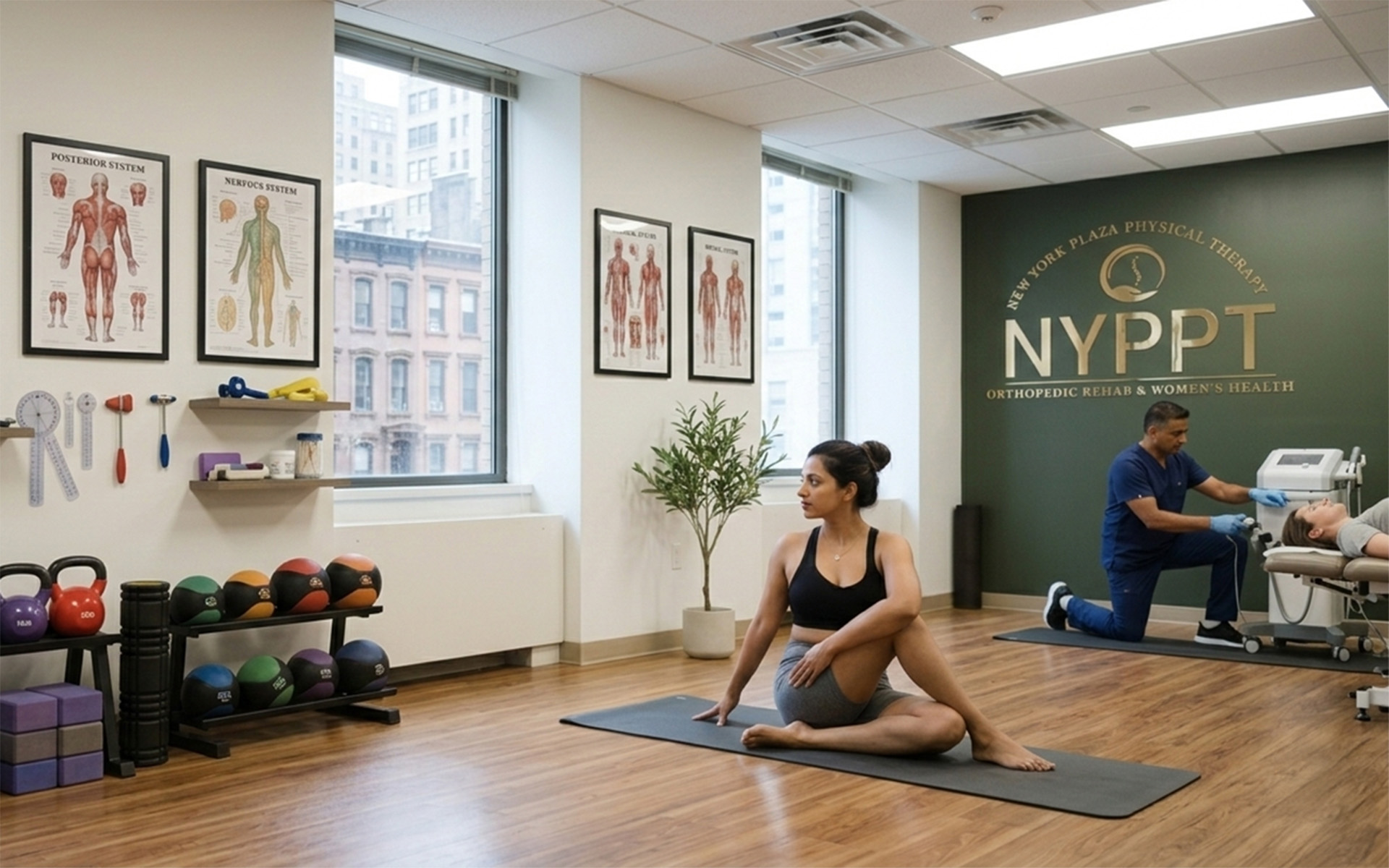
Winter Wellness: Staying Active & Pain-Free This February.
Winter weather can make even simple activities feel challenging. Colder air tightens muscles and stiffens joints, while shorter, darker days often sap energy. In New York City and beyond, many people notice aches and aches flare up as temperatures drop. The good news is that understanding these effects—and taking the right action—means you don’t have to “hunker down” in pain. By adopting a winter-specific wellness plan involving indoor movement and posture care, you can stay energized and keep pain at bay all season long.
Why Winter Hurts More
Cold weather triggers our bodies to constrict blood vessels and hunch muscles to preserve heat. This response lowers circulation to muscles and joints, making them feel stiffer. For example, many people with arthritis notice that their joints feel particularly tight on cold mornings. Lower temperatures can thicken joint fluids and slow down mobility. In addition, people often subconsciously hunch forward in coats and sweaters, adding strain to the neck and shoulders. The result is a common winter cycle: stiff muscles lead to pain, which makes us move less, which causes even more stiffness. Recognizing these winter-specific effects—cold-induced constriction and posture changes—is the first step toward preventing pain and staying active.
Key Points: Cold weather → tighter blood vessels & muscles → stiffer joints; bundled posture → neck/shoulder strain.
Indoor Moves for Joint Relief
Keeping your body moving indoors is one of the best defenses against winter stiffness. Gentle exercises done at home boost circulation, warm up muscles, and lubricate joints. Simple routines – like standing leg swings, wall push-ups, or shoulder circles – can make a big difference. For instance, doing a few chair squats and shoulder rolls every day helps prevent hip and upper-body tightness. In physical therapy we often recommend a brief daily movement routine: 5–10 minutes of stretching or light yoga right after waking, plus periodic breaks to stand up and move around. These small steps counteract the “couch lock” that happens when we sit for hours, and they help maintain flexibility. Over time, consistent indoor exercise can significantly reduce winter joint pain and keep you feeling limber.
Quick Tips: Incorporate movement in your day. For example, every hour do calf raises or neck stretches while watching TV, and take short walks inside your home or up/down the stairs. If you have stiffness or old injuries, a few targeted exercises (provided by a PT) can ease discomfort and improve how you feel during cold months.
Posture & Pain: Posture Therapy in Winter
When it’s cold, we tend to curl up—wrapping arms, hunching shoulders, or craning our heads forward to see phones or computers. These postural habits can worsen pain. For example, leaning your head forward increases pressure on the cervical spine and strains neck muscles. Similarly, rounded shoulders from shivering or looking down tighten the upper back. Over time, this leads to aches in the neck, upper back, and shoulders. Posture therapy, offered through PT, focuses on retraining the body’s alignment. Simple exercises like chin tucks (gently pulling the chin back to align the head) and chest-openers (stretching the front of the body) strengthen the muscles that hold good posture. In winter, be extra mindful of sitting tall. Imagine a string from your head lifting you upward, relax your shoulders down, and take frequent breaks from devices to reset your spine. If you feel persistent postural pain, our therapists can perform an assessment to correct your alignment and ease discomfort.
How Physical Therapy Helps in Winter
Physical therapists are experts at helping people move better and manage pain in any season. In winter, a PT will use a combination of hands-on techniques and tailored exercises to keep you moving comfortably. For instance, manual therapies like gentle massage or mobilization can immediately reduce muscle tightness. Then, guided strength and flexibility exercises rebuild support around the joints. This multi-modal approach is especially effective: studies show that combining manual therapy and targeted exercise leads to faster pain relief and better long-term mobility. At NYPPT, we create individualized winter care plans. That means every session is one-on-one with a certified therapist, not an assistant. Your therapist will teach you proper technique, answer questions, and adjust your routine as you progress. They’ll also advise on things like ergonomic workstation setup (important with more indoor work) and safe ways to stay active outdoors despite the cold. In short, physical therapy provides professional guidance to break the cycle of winter stiffness and keep you active all season.
Tip: Consider booking a winter “tune-up” session before spring activities ramp up. Preventive PT sessions can address minor aches now so they don’t become major injuries later.
Winter Self-Care & Recovery Tips
Maintaining wellness through winter is about a few smart habits:
Warm Up Daily: Always start cold-weather activities with movement. A short walk or gentle stretching routine before errands or work gives muscles a chance to warm up. This simple warm-up helps prevent strains.
Stay Hydrated & Nourished: Even in winter, drink plenty of water to aid joint lubrication. Eat a balanced diet rich in Omega-3s (fish, nuts, flax) and antioxidants (leafy greens, berries) to help fight inflammation.
Keep Moving: Set a timer to stand up, stretch, or walk around for a few minutes every hour. Regular movement prevents joints from “locking up.”
Use Heat Wisely: After activity or whenever you feel stiffness, apply a heating pad or take a warm bath. Heat increases blood flow to cold muscles, promoting relaxation and easing pain.
Rest & Recover: Ensure you get enough sleep and sunlight (consider a light therapy lamp if indoors). Good rest boosts your recovery. If you wake up with unusual or severe pain, don’t ignore it – small issues are easier to treat early than big problems later.
By combining these self-care tips with regular PT-guided exercises, you can enjoy a healthy, pain-free winter. Remember that taking action now means spring can arrive with you feeling stronger and ready for more outdoor fun.
Frequently Asked Questions (FAQ)
1. Why does cold weather make my joints hurt more?
Cold temperatures cause blood vessels to narrow and muscles to tighten. This reduced circulation and muscle tension make joints less flexible and more prone to stiffness. In people with arthritis or old injuries, joints often feel especially stiff in winter, as circulation and lubrication decrease.
2. Will doing exercises indoors really help?
Absolutely. Regular indoor movement keeps your joints lubricated and muscles strong, which combats the sluggish feeling of winter. Even simple routines—like light yoga, strength moves, or walking in place—can boost circulation and reduce stiffness. Physical therapists often incorporate brief daily movement breaks precisely to counteract cold-induced stiffness. Over time, this routine activity significantly eases joint pain.
3. How does posture affect winter aches?
Poor winter posture (like hunching forward) adds strain to your spine and neck. Bundling up or looking down at devices can pull your head and shoulders out of alignment, leading to tension headaches and upper back pain. Maintaining good posture (shoulders back, head aligned) and doing posture exercises (e.g. chin tucks, chest stretches) can relieve this stress.
4. What can physical therapy do for winter pain?
Physical therapy provides targeted solutions for winter-related aches. Therapists use manual techniques (such as massage and mobilizations) to loosen tight muscles and joint tissues, followed by custom exercises to strengthen and stabilize affected areas. They also offer one-on-one guidance on movement and ergonomics. This personalized care breaks the cycle of pain and inactivity, helping you recover faster and stay mobile during winter.
5. How often should I exercise to stay pain-free in winter?
Ideally, incorporate some movement every day. Even 10–20 minutes of focused exercise (stretching, yoga, light cardio) helps maintain mobility. Additionally, take short breaks to stand or walk a few minutes every hour during sedentary activities. Consistent, moderate activity is more effective for pain prevention than occasional intense workouts.
For more personalized guidance or to schedule a winter wellness session, see our Treatments page or Contact Us. Our NYPPT therapists can help tailor a plan so you stay active, aligned, and pain-free all season long.