
Feast of San Gennaro NYC 2026: Physical Therapy Tips for the Festival
nyppt
September 8, 2026
Blogs
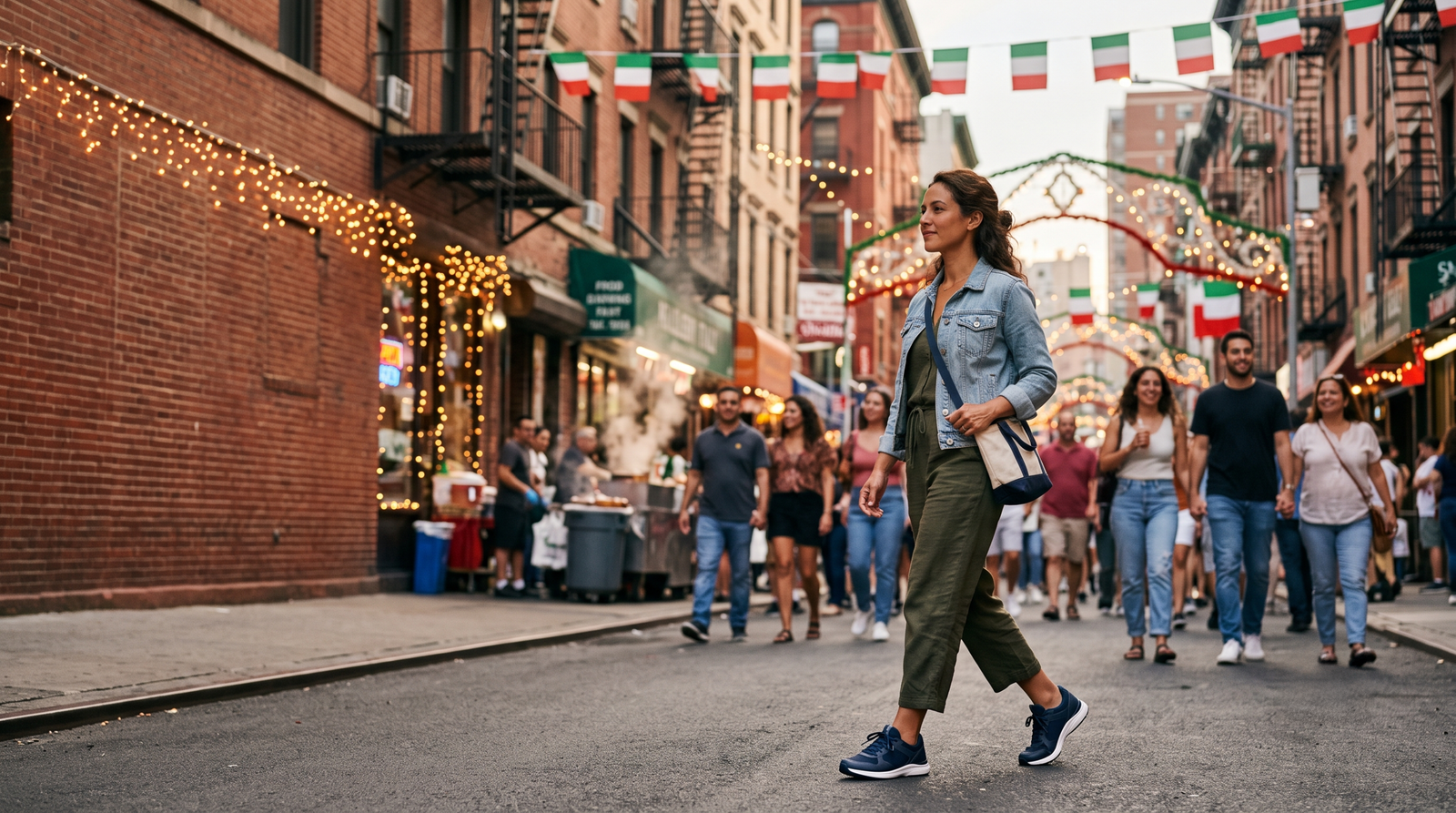
Planning to visit the Feast of San Gennaro in Little Italy this September? A day of walking, standing, and navigating crowded Manhattan streets can be harder on your feet, knees, and back than you might expect.
The Feast of San Gennaro NYC 2026 returns to Little Italy from September 17 through September 27, bringing food, music, entertainment, and thousands of visitors to the streets of Lower Manhattan. While the festival is a great opportunity to enjoy one of New York City’s most iconic traditions, spending several hours on your feet can also lead to foot pain, knee discomfort, ankle soreness, and back fatigue.Whether you are a local New Yorker or visiting from out of town, a few simple strategies can help you enjoy the festival comfortably. And if pain continues after the event, physical therapy in Manhattan can help identify the underlying problem and get you moving comfortably again.What to Expect at the Feast of San Gennaro
The Feast of San Gennaro is held in Manhattan’s historic Little Italy and is known for its food vendors, entertainment, religious traditions, and lively street atmosphere. With the festival taking place over multiple days, visitors may spend hours walking between different areas, standing in lines, and remaining on their feet while enjoying the festivities.🡒 Visit the official Feast of San Gennaro website →
That combination of walking and prolonged standing can be especially challenging if you already have an old injury, joint stiffness, weak muscles, or recurring pain.Why Long Hours of Walking Can Cause Pain
Manhattan festivals can turn a normal day of walking into several hours of continuous activity. If your body is not accustomed to that amount of walking or standing, repetitive stress can cause symptoms to appear or existing problems to flare up.Foot and Ankle Pain
Your feet absorb significant stress with every step. Long periods of walking can contribute to soreness, blisters, arch discomfort, heel pain, or ankle fatigue. Wearing shoes that fit properly and provide adequate support can help reduce unnecessary strain.NYC Health recommends comfortable walking shoes with a firm, non-slip sole and advises against footwear such as high heels, slippers, and flip-flops when reducing fall risk is a priority.Knee Pain and Overuse
Your knees may also become irritated after spending hours walking, standing, climbing stairs, or repeatedly stopping and starting in crowded areas. People with a history of runner’s knee, arthritis, previous injuries, or muscle weakness may notice symptoms sooner.🡒 Learn more about Runner’s Knee treatment at NYPPT →
Lower Back Pain and Muscle Fatigue
Standing for long periods can also leave your lower back, hips, and legs feeling tight or fatigued. Carrying a heavy bag while walking through crowded streets may add additional strain, particularly if you already experience back pain.🡒 Read: Physical Therapy in Manhattan for Back Pain →
How to Prevent Pain During the San Gennaro Festival
You do not need to avoid the festival just because you are concerned about pain. A little preparation can make a significant difference.- Wear supportive walking shoes: Choose comfortable footwear that fits properly and provides a stable, firm sole.
- Take regular breaks: Give your feet, knees, and back time to recover instead of waiting until you are already in pain.
- Pace your walking: Avoid trying to cover the entire festival area without stopping.
- Stay hydrated: Carry water and drink regularly, particularly if you are spending several hours outdoors.
- Be aware of your surroundings: Crowded streets can make it harder to see uneven pavement, curbs, or other obstacles.
- Listen to your body: Persistent or worsening pain is a reason to stop and reassess rather than simply pushing through it.
Simple Exercises Before a Long Day of Walking
If you know you will be spending several hours walking around Manhattan, preparing your body beforehand can be helpful. Depending on your fitness level and medical history, simple movements such as ankle circles, calf raises, gentle calf stretches, and controlled bodyweight exercises may help you prepare for increased activity.However, if you already have pain or an existing injury, avoid starting a new exercise routine simply to prepare for the festival. A physical therapist can help determine which exercises are appropriate for your specific condition.When Should You See a Physical Therapist?
Occasional muscle fatigue after a long day is normal. Persistent pain is different. Consider speaking with a physical therapist if you experience:- Pain that continues after you return to your normal routine.
- Swelling or significant stiffness in a joint.
- Difficulty walking normally.
- Repeated ankle, knee, or foot problems.
- Back pain that interferes with work, exercise, or daily activities.
- Pain that keeps returning whenever you increase your activity.
🡒 Read: 6 Signs You Might Need Physical Therapy →
How Physical Therapy in Manhattan Can Help After the Festival
If your feet, knees, ankles, or back continue to hurt after a long day at the festival, physical therapy can address more than just temporary soreness. Treatment can focus on restoring mobility, improving strength, correcting movement patterns, and helping you return to your normal activities safely.At NYPPT, treatment is personalized around each patient’s condition, lifestyle, and goals. Our Manhattan physical therapists use hands-on treatment, therapeutic exercise, movement education, and customized rehabilitation programs to help patients improve function and move with greater confidence.🡒 Explore NYPPT’s physical therapy treatments →
Enjoy the Festival Without Letting Pain Stop You
The Feast of San Gennaro is meant to be enjoyed. With supportive footwear, regular breaks, proper hydration, and some awareness of your body’s limits, you can spend the day exploring Little Italy without unnecessarily overloading your joints and muscles.If festival-related foot, ankle, knee, or back pain does not settle after you return to your normal routine, don’t ignore it. Early evaluation can help identify the cause and provide a personalized plan for recovery.🡒 Experiencing pain after walking around NYC? Contact NYPPT today →
Frequently Asked Questions
1. What is the Feast of San Gennaro in NYC?
The Feast of San Gennaro is an annual Italian-American street festival held in Little Italy, Manhattan. In 2026, the festival is scheduled for September 17 through September 27.2. What shoes should I wear to the San Gennaro Festival?
Choose comfortable walking shoes that fit properly and provide a firm, non-slip sole. Avoid footwear that is unstable or difficult to walk in for extended periods.3. How can I prevent foot pain while walking around the festival?
Wear supportive shoes, take regular breaks, pace your walking, stay hydrated, and avoid pushing through significant pain. If you already have a foot or ankle condition, consider getting professional guidance before increasing your activity level.4. When should I see a physical therapist for foot or knee pain?
If pain persists, repeatedly returns, affects your walking, or interferes with your normal activities, a physical therapy evaluation may help identify the underlying movement or strength issues contributing to the problem.5. Can physical therapy help after a long day of walking?
Yes. Depending on the cause of your symptoms, physical therapy may help improve mobility, strength, balance, movement mechanics, and overall function. A physical therapist can create a treatment plan based on your specific needs and goals.Helpful Resources: