
Hypermobility Physical Therapy for (HSD & EDS)
nyppt
March 12, 2026
Blogs
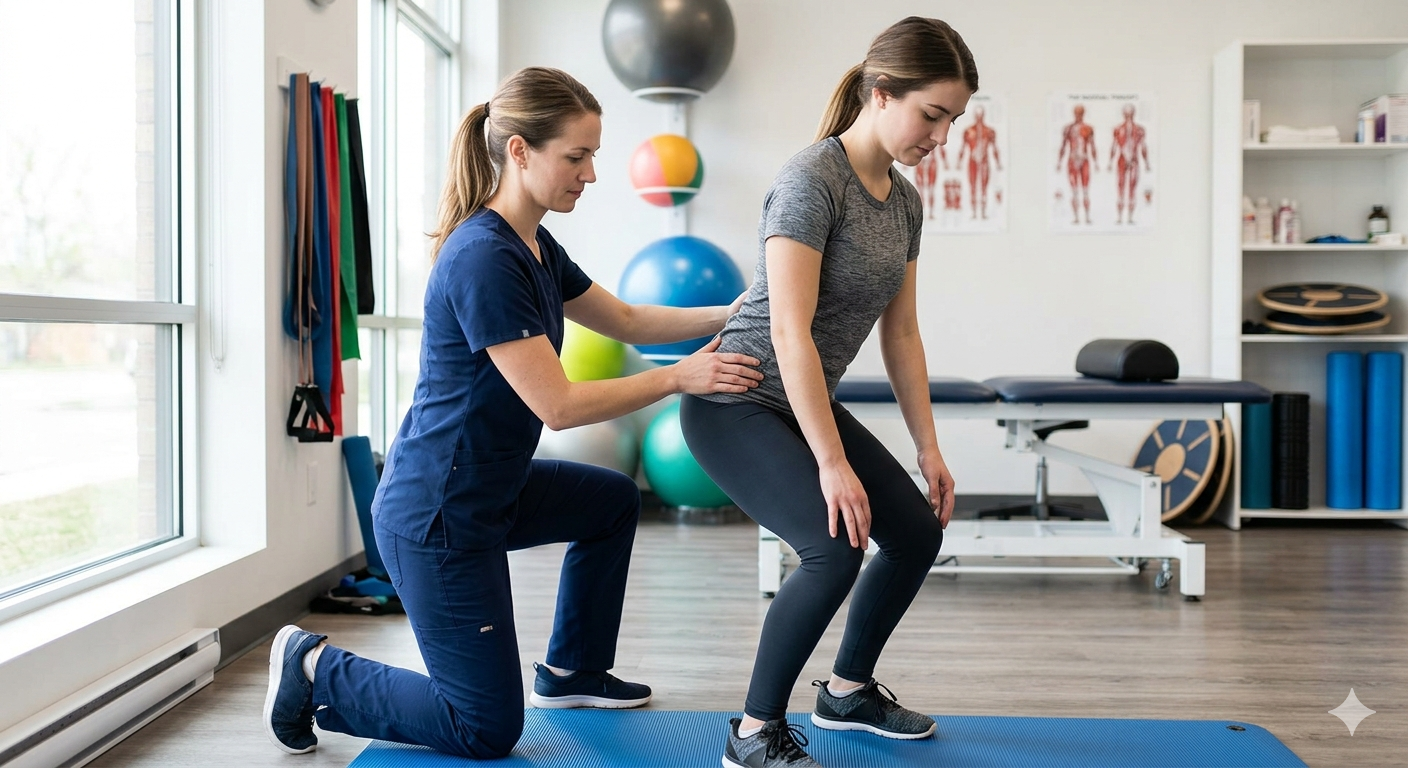
Hypermobility Spectrum Disorders (HSD) and Ehlers-Danlos Syndrome (EDS): How Physical Therapy and Pelvic Floor Therapy Help.
Living with chronic joint pain, instability, and fatigue can be frustrating, especially when the cause is not immediately clear. For many people, these symptoms are related to Hypermobility Spectrum Disorders (HSD) or Ehlers-Danlos Syndrome (EDS), connective tissue conditions that affect how the body stabilizes joints and supports internal structures.
Many patients focus only on joint symptoms, but these conditions can also affect the pelvic floor, contributing to pelvic pain, bladder issues, and core instability. At NYPPT, physical therapy helps patients with hypermobility improve stability, reduce pain, and restore function through targeted strengthening, movement training, and pelvic floor rehabilitation.
This article explains what HSD and EDS are, how they affect the body, and how physical therapy and pelvic floor therapy can support long-term symptom management.
What are Hypermobility Spectrum Disorders and Ehlers-Danlos Syndrome?
Hypermobility Spectrum Disorders refer to conditions where joints move beyond the normal range of motion due to lax connective tissue. Some individuals are naturally flexible without problems, but others experience significant symptoms related to joint instability.
Ehlers-Danlos Syndrome is a group of genetic connective tissue disorders that affect collagen, the protein responsible for providing strength and structure to tissues throughout the body.
Common symptoms may include:
- Joint instability and frequent sprains
- Chronic joint or muscle pain
- Fatigue with physical activity
- Poor balance or coordination
- Delayed recovery from injuries
Because connective tissue is present throughout the body, symptoms can extend beyond the joints and affect the pelvic floor, digestive system, and nervous system.
At NYPPT, we evaluate the full movement system rather than focusing on one painful joint.
How HSD and EDS Affect the Pelvic Floor
The pelvic floor is a group of muscles that support the bladder, bowel, and reproductive organs while helping regulate continence, core stability, and sexual function.
In people with hypermobility conditions, the connective tissue that supports these muscles can become overly elastic. This may lead to pelvic floor dysfunction, which can include:
- Pelvic pain or pressure
- Urinary leakage or urgency
- Pelvic organ prolapse
- Pain with intercourse
- Constipation or bowel dysfunction
These symptoms can appear even in younger individuals or those without common risk factors such as pregnancy.
Pelvic floor physical therapy focuses on restoring muscle coordination, stability, and proper support of pelvic organs.
How Physical Therapy Helps with HSD and EDS
Physical therapy plays a key role in managing hypermobility conditions because strengthening muscles around joints can compensate for ligament laxity.
Treatment focuses on stability, control, and efficient movement patterns rather than increasing flexibility.
Physical therapy for HSD and EDS often includes:
- Targeted strength training to stabilize joints
- Neuromuscular training to improve coordination
- Postural retraining to reduce strain on joints
- Pelvic floor rehabilitation when pelvic symptoms are present
- Education on joint protection and activity modification
Many patients experience fewer injuries and improved daily function once their body learns how to stabilize movement more effectively.
What does a typical treatment plan look like?
An initial evaluation includes a full medical history, joint mobility assessment, posture and movement analysis, and screening for pelvic floor symptoms when appropriate.
Treatment sessions are one on one and may include:
- Targeted strengthening for core, hip, and stabilizing muscles
- Balance and proprioception training to improve joint control
- Gentle manual therapy to reduce muscle tension
- Pelvic floor muscle retraining when indicated
- Movement retraining to prevent joint overextension
- Education on activity pacing and joint protection
Patients are also given a structured home program to reinforce stability and build strength between visits.
Over time, this combination helps patients move with greater confidence while reducing pain and fatigue.
🡒 Book a physical therapy evaluation →
🡒 Learn more about pelvic floor therapy →
Who is a good candidate for physical therapy?
Consider physical therapy if you have:
- Frequent joint sprains or dislocations
- Chronic joint or muscle pain related to hypermobility
- Difficulty with balance or coordination
- Pelvic pain, bladder issues, or pelvic floor symptoms
- Fatigue during normal daily activities
- A diagnosis of HSD or Ehlers-Danlos Syndrome
Early intervention can help prevent repeated injuries and improve long-term joint health.
Frequently Asked Questions (FAQ)
1. Can physical therapy cure Ehlers-Danlos Syndrome?
Physical therapy cannot cure EDS because it is a genetic condition. However, it can significantly improve stability, reduce pain, and help patients manage symptoms more effectively.
2. Is exercise safe for people with hypermobility?
Yes. Exercise is actually essential, but it must focus on controlled strengthening and joint stability rather than excessive stretching.
3. Why do hypermobility conditions affect the pelvic floor?
Connective tissue laxity affects the entire body, including the structures that support pelvic organs. This can contribute to pelvic floor dysfunction.
4. Will pelvic floor therapy always involve internal treatment?
Not always. Internal assessment can provide useful information, but many pelvic floor conditions can also be addressed through external techniques and functional movement training.
5. How long does treatment usually take?
Treatment duration varies depending on symptom severity. Many patients begin noticing improvement within several weeks when therapy is combined with a consistent home exercise program.