
nyppt
January 24, 2026
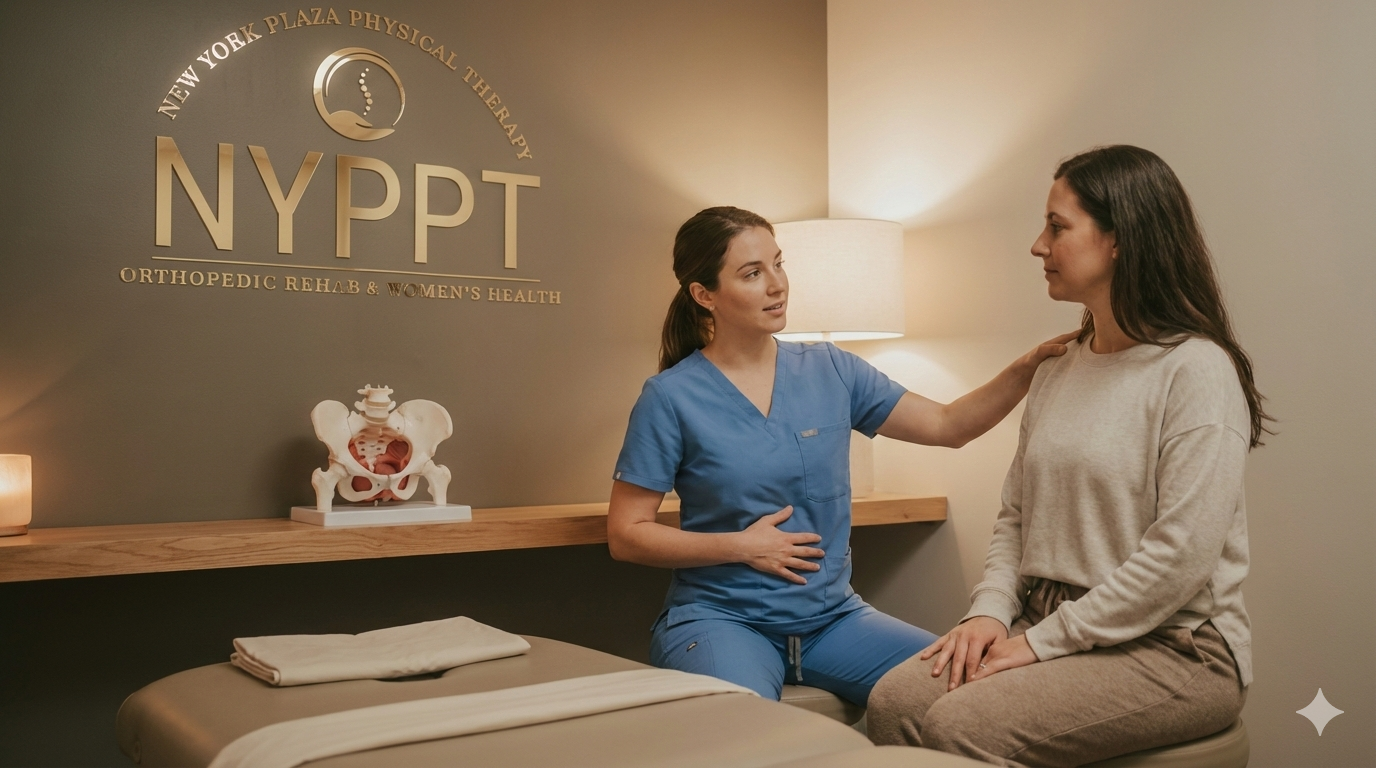
Pelvic pain from endometriosis or PCOS is more than an occasional ache. It can be constant, limiting, and life altering. Many people are told to manage with medication or wait for surgery. There is another option that often gets overlooked: pelvic floor physical therapy.
At NYPPT, we help patients with endometriosis and PCOS reduce pelvic pain, improve bladder and bowel function, and return to daily life. This article explains what pelvic floor physical therapy is, how it helps with endometriosis and PCOS, and what to expect from a targeted program.
Pelvic floor physical therapy is specialized care that focuses on the muscles, connective tissue, and nervous system in the pelvis. Therapists perform a careful assessment and then use a combination of hands on techniques, movement re education, breath work, and tailored exercises to reduce pain and improve function.
Pelvic floor PT can address:
At NYPPT we treat the whole person. That includes posture, breathing, hip and core strength, and how daily habits affect pelvic health.
Endometriosis causes inflammation and scar tissue which can sensitise the pelvic nerves and tighten the pelvic floor muscles. Even after surgical treatment, many patients have persistent pain because the pelvic muscles have adapted to protect the area and remain tense.
Pelvic floor physical therapy for endometriosis helps by:
When we combine manual therapy with progressive mobility and strength work, many patients report reduced pain, improved sexual comfort, and better daily function.
Polycystic ovarian syndrome, or PCOS, is often discussed in hormonal terms. There is also a musculoskeletal component. Hormonal imbalance, weight fluctuations, and altered movement patterns can increase pelvic floor tension and pelvic pain.
Pelvic floor PT for PCOS focuses on:
This approach does not treat hormonal causes directly, but it makes living with PCOS easier by reducing the pain and dysfunction that often accompany it.
An initial evaluation includes a full history, pain mapping, posture and movement analysis, and where appropriate, an internal pelvic floor exam. Treatments are one on one and may include:
Most patients start to notice improvement within a few sessions, and measurable gains come with consistent guided practice.
🡒 Book a pelvic floor evaluation →
🡒 See our full list of treatments →
Consider pelvic floor PT if you have:
We always work closely with your medical team when needed, especially in cases of complex gynecologic or oncologic histories.
Treatments may involve some discomfort when releasing tight muscles, but therapy is always guided and tolerable. Your therapist will work within your comfort limits.
Most people can access pelvic floor physical therapy without a referral. Insurance rules vary so we can check your benefits and advise.
Physical therapy does not cure endometriosis or PCOS. It addresses the musculoskeletal and nervous system components of pain so you can feel better and function better.
It depends on symptom duration and severity. Many patients see meaningful improvement in 6 to 12 sessions when combined with a home program.
Not always. Internal assessment can provide valuable information but we respect patient preference. There are effective external and functional assessments and interventions as well.