
nyppt
February 10, 2026
Valentine’s Day isn’t just about chocolates and roses it’s also the perfect time to show yourself some love. Taking care of your body (including your pelvic floor muscles) is an act of self-love and awareness. If intimacy has been uncomfortable or tense lately, it’s not uncommon but it is something you can address. Ignoring pelvic pain or tightness won’t help; as one pelvic health specialist notes, “sex should not hurt period. If you’re dealing with burning, tightness, or discomfort, your body is sending you a message”. This Valentine’s Day, let’s listen to that message, build confidence in our bodies, and reconnect with pleasure through pelvic floor health and self-care.
Pelvic floor physical therapy can make a big difference in intimate comfort. Therapists use targeted techniques and exercises that relax overactive muscles, improve circulation, and reduce the tension that causes pain. For many people, this means rediscovering comfort and even enhanced sensation. In fact, research shows pelvic muscle training can improve sexual function: studies report significant gains in arousal, orgasm, satisfaction and a reduction in pain. Strengthening and balancing the pelvic floor boosts blood flow and nerve signals, which can heighten arousal and pleasure during intimacy. Even more, therapy helps retrain muscles after events like childbirth, restoring core stability and body confidence. By learning to engage and relax your pelvic muscles, you gain body-awareness and empowerment. In short, pelvic floor PT supports intimacy by easing discomfort and building confidence in your body.
How do you know if your pelvic floor might be part of the problem? Common signals include pain or tightness during intercourse, vaginal dryness, or anxiety around intimacy. You might notice that sex feels like “hitting a brick wall” if your muscles are clenched tight. Others describe burning, aching, or sudden spasms that make sex hurt. Even symptoms like bladder leaks or constipation can hint at pelvic floor dysfunction. The key rule: sex should not be painful. If it is, that’s your cue to pay attention. The good news is that these issues are common and treatable. In fact, experts note that in most cases pelvic pain during sex “benefits significantly from pelvic floor therapy”. Physical therapists are trained to find out if your muscles are too tense (or too weak) and help you retrain them. Many women who once struggled in silence find relief and improved intimacy with guided therapy.
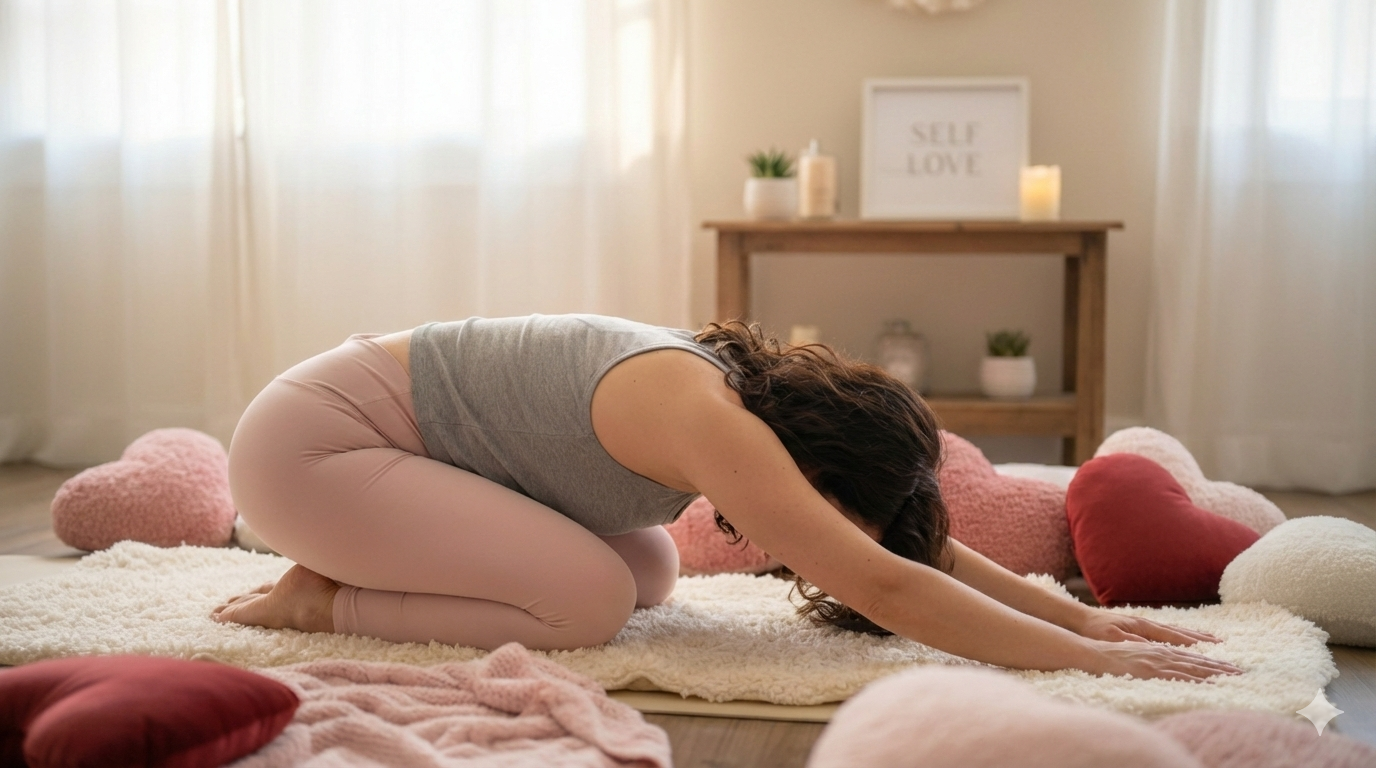
This Valentine’s Day, give your pelvic floor some extra TLC. Start by creating a relaxing environment: dim the lights, play soothing music, and focus on slow breathing. Your pelvic floor is closely tied to your nervous system, so daily stress can make those muscles chronically tense. Practice deep diaphragmatic breathing it switches your body into “rest and digest” mode and naturally relaxes tight muscles. Pair breathing with gentle stretches that lengthen the pelvic area: child’s pose, happy baby pose, a deep squat or puppy pose can all help open the hips and release tension. For example, sinking into child’s pose while taking long belly breaths literally tells your body it’s safe, which can ease pelvic tightness.
~~~
Other simple tips: use a good water-based lube during intimacy to ease friction, and don’t rush foreplay. (Rushing can actually make pain worse; foreplay is not optional.) Make sure you feel mentally and physically ready. A warm bath or gentle massage (perhaps with a partner) can also help you relax. Above all, be patient and kind with yourself. Even small steps like a few deep breaths or a short stretch can show love to your body’s core. These Valentine’s Day pelvic health tips are about tuning in: notice any tension, breathe it out, and give your muscles some care.
In addition to stretches, incorporating specific exercises can improve pelvic strength and flexibility. Your therapist may guide you through gentle movements (like bridges or Kegels) tailored to your needs. For example, a supine bridge — lying on your back and lifting hips while engaging glutes and pelvic floor can build strength in those muscles and their helpers (as shown in NYPPT’s practice routines). Always use clean sheets or a yoga mat, and avoid sharp holds or pain. Some women find dilator work or pelvic tilts helpful over time to increase comfort with penetration.
Remember the mind-body link: if pain arises during an exercise, pause and breathe deeply. Pelvic therapists often teach downregulation techniques ways to calm your nervous system if the body starts to panic. This could be as simple as taking a break, squeezing a stress ball, or imagining a calm scene mid-exercise. Over time, these strategies help “remind” your body that it’s safe, which reduces tension. The ultimate goal is to create a positive feedback loop: as you slowly improve strength and flexibility (and practice relaxation), your confidence will grow. And confidence itself can make movement and intimacy feel more natural.
Working on your pelvic floor is also working on your confidence and connection with your body. Many people feel a huge boost when they begin to relax areas that once felt painful or tight. You might notice that daily activities (sitting, walking, exercising) become more comfortable too. Sharing your journey with a supportive partner can help: let them know what feels good and what doesn’t, and ask for patience. Remember, pelvic floor issues are medical, not personal they don’t reflect on your worth or your partner.
If you ever feel overwhelmed, professional help is available. NYPPT’s therapists specialize in pelvic floor health and provide treatment in a private, respectful setting. We offer one-on-one sessions to address pain or tension at the source, not just cover up symptoms. For more information, visit our Treatments page or Contact Us to schedule a consultation. You don’t have to live with pain or discomfort. This Valentine’s Day, celebrate all aspects of love including love and patience for your own body. Your pelvic floor plays a big role in intimacy, and taking care of it now can lead to better comfort, confidence, and connection tomorrow.
A: It’s a specialized form of PT that focuses on the muscles at the bottom of your pelvis. A therapist teaches you exercises and techniques to strengthen or relax these muscles, helping with issues like pain, leaks, tightness, or incontinence.
A: Yes. If intercourse is painful (dyspareunia), therapy can often help by releasing tight muscles and improving blood flow. Therapists find the root cause of pain and guide you through stretches or exercises so you can have more comfortable, even enjoyable intimacy again.
A: Watch for signs like pain, burning, or a sense of pressure during sex, or frequent muscle spasms. Other hints include vaginal dryness, difficulty relaxing, or even urine leaks. If anything about intimacy or pelvic function worries you, it’s worth consulting a specialist. Remember, these symptoms are common and treatable.
A: Simple steps can help a lot. Practice deep belly breathing and gentle stretches like child’s pose or happy baby to relax your pelvic floor. Use good-quality lube during sex and allow plenty of foreplay so your body has time to adjust. A warm bath, mindfulness or meditation, and good sleep also support relaxation. Always move slowly if something hurts, stop and breathe.
A: As your pelvic muscles become more under control (either stronger or more relaxed), you’ll often feel more in tune with your body. This leads to less anxiety about sex and movement. Many women report feeling empowered when they learn they can influence their own pain and comfort. Improved function brings comfort, and feeling pain-free makes you naturally more confident in yourself and your relationships.